
Hook: Ever wondered what happens when a ransom demand lands on a company’s desk? Spoiler alert—it’s not just about paying up. It’s about staying calm, thinking strategically, and navigating one of the most stressful scenarios any person or business can face.
In today’s unpredictable world, kidnap and ransom insurance isn’t just for high-profile executives anymore—it’s a safeguard many businesses are adding to their risk management toolkit. But here’s the kicker: having the policy is only half the battle. What you do during those tense moments could make or break everything. That’s where crisis negotiation skills come in.
This post will dive into why crisis negotiation skills are critical for anyone involved with kidnap and ransom insurance. You’ll learn practical strategies to handle these situations, discover examples from real-life cases, and walk away with actionable tips that blend human instinct with tactical precision.
Table of Contents
- Introduction to Kidnap and Ransom Insurance
- The Role of Crisis Negotiation Skills
- Step-by-Step Guide to Effective Negotiations
- Best Practices for Handling High-Stakes Situations
- Real-World Case Studies
- FAQ About Kidnap and Ransom Scenarios
Key Takeaways
- Crisis negotiation skills are essential for effectively managing kidnap and ransom insurance claims.
- Having a structured approach to negotiations can save lives and protect financial interests.
- Poorly handled negotiations can lead to higher ransoms, prolonged captivity, or even worse outcomes.
- Practical training and preparation can significantly improve your ability to respond under pressure.
What Is Kidnap and Ransom Insurance?
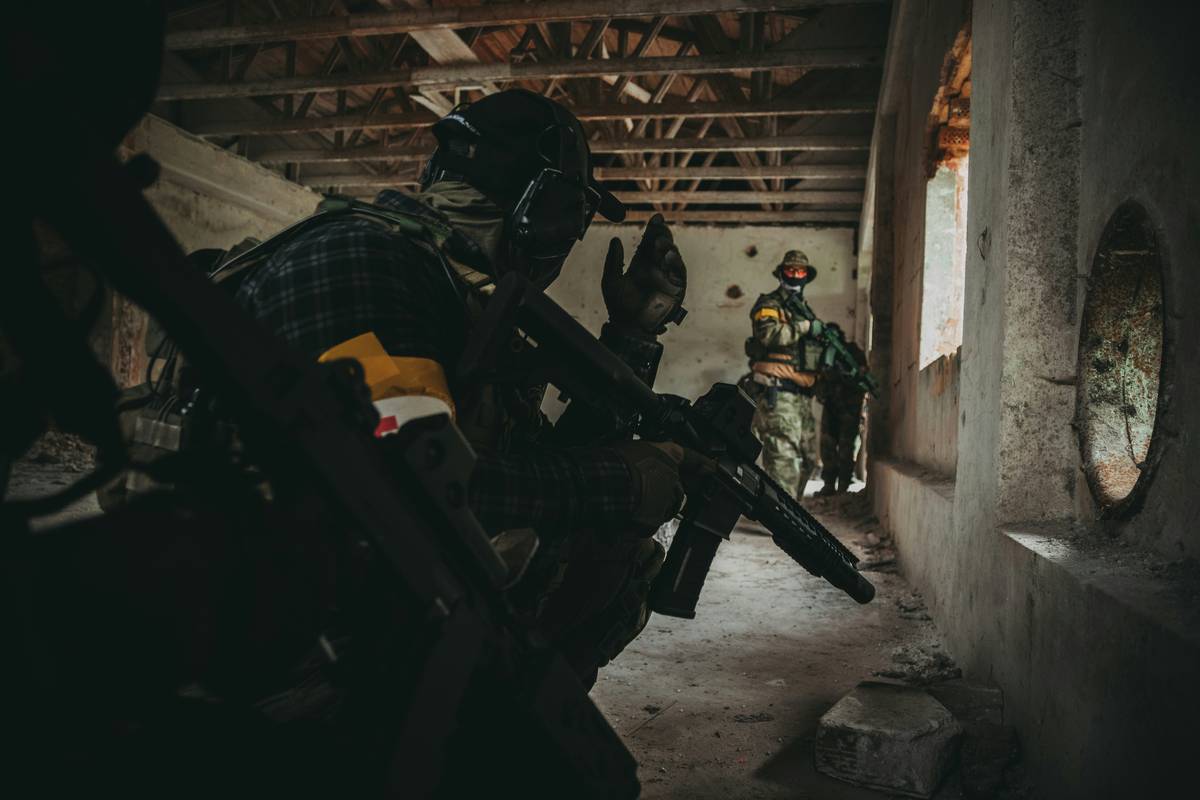
Kidnap and ransom insurance provides coverage for individuals or organizations at risk of abduction, extortion, or other similar threats. This type of policy typically includes:
- Ransom payments
- Crisis response consultants
- Medical expenses for victims
- Legal fees associated with the incident
But let me tell you something—no amount of money will help if the negotiation goes sideways. That’s why understanding crisis negotiation skills is crucial.
Why Crisis Negotiation Skills Matter More Than You Think

The messiest part of dealing with kidnappers? Emotions run high—for both the captives and their families. Without proper crisis negotiation skills, it’s easy to make impulsive decisions that escalate the situation.
Let me share a confession: A friend once told me they were considering offering double the initial ransom because “they didn’t want to waste time.” Ugh. The lesson here? Never negotiate without a clear strategy. Throwing money at the problem doesn’t guarantee safety; in fact, it often encourages criminals to ask for more.
Grumpy Optimist Dialogue:
Optimist You: “Just stay calm—you’ve got this!”
Grumpy You: “Stay calm?! Are we living in the same reality? Let’s prep first.”
Your Step-by-Step Guide to Mastering Crisis Negotiation Skills
Negotiating with kidnappers requires a methodical approach. Here’s how to tackle it step-by-step:
Step 1: Assemble Your Team
Gather experts who specialize in crisis management, legal advice, and communication strategy. Having professionals around ensures no stone is left unturned.
Step 2: Assess the Situation
Evaluate factors like the victim’s condition, the kidnapper’s demands, and available resources (hello, kidnap and ransom insurance!). Information is power.
Step 3: Establish Trust
Show empathy but maintain boundaries. Phrases like “We’re doing our best to resolve this” build rapport while keeping control.
Step 4: Delay, Don’t Rush
Avoid giving in immediately. Use delaying tactics to buy time for authorities and avoid rash decisions.
Tips for Navigating High-Stress Scenarios

- DO listen actively to understand motivations behind the demands.
- DON’T disclose too much information upfront—it weakens your position.
- DO document every interaction meticulously.
- DON’T lose your cool. Remember, kidnappers thrive on fear.
Rant Alert: Seriously, stop falling for Hollywood tropes where yelling solves problems. In real life, this just makes things worse. Be smart, be strategic.
Real-Life Examples of Crisis Negotiation Skills in Action
Take the infamous case of John Paul Getty III. Despite his family’s immense wealth, poor crisis handling led to tragedy. Contrast that with successful interventions facilitated by skilled negotiators working alongside insurers. These contrasting stories highlight the importance of preparation and expertise.
FAQ: Frequently Asked Questions About Handling Kidnap and Ransom Situations
Is Kidnap and Ransom Insurance Worth It?
Absolutely. While no one wants to think about worst-case scenarios, being prepared saves lives and minimizes damages.
Can Anyone Learn Crisis Negotiation Skills?
With the right mindset and training, yes! But leave the actual negotiations to pros unless absolutely necessary.
What If I Mess Up the Negotiation?
If things go south, rely on your support team—including law enforcement and insurers—to salvage the situation.
Conclusion
To recap, mastering crisis negotiation skills empowers you to navigate the dark waters of kidnap and ransom incidents confidently. With proper planning, a solid team, and an ironclad insurance policy, you can protect both people and finances. And hey—just promise me you won’t wing it like my bacon-loving vegan pal did with hashtags. 🙃
Before I sign off, enjoy this haiku:
Tension fills the air,
Words weigh more than gold coins—
Stay steady, win peace.