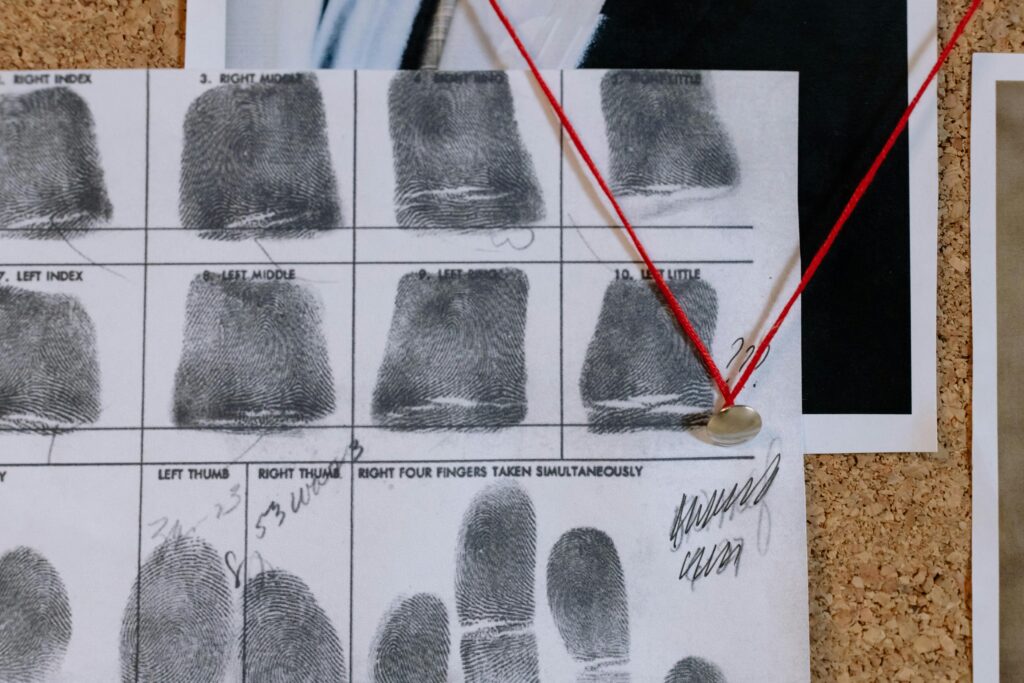
“Did you know that kidnappings in certain regions have surged by over 50% in the last decade alone? Scary, right?”
Planning an international trip is exciting—new cultures, exotic foods, breathtaking landscapes. But lurking behind those Instagram-worthy destinations are risks many travelers overlook. One often-missed safeguard? Kidnap and ransom insurance. Sounds extreme, but for frequent globetrotters or business travelers venturing into high-risk areas, it can be a literal lifesaver.
In this guide, we’ll break down everything you need to know about staying safe abroad—from basic international travel tips to understanding how kidnap and ransom insurance works. You’ll discover actionable strategies, real-life examples, and honest advice (yes, including one *terrible tip*) on protecting yourself while exploring the world.
Table of Contents
- Key Takeaways
- Why Does Kidnap and Ransom Insurance Matter?
- Step-by-Step International Travel Tips
- Top 5 Best Practices for Safe Travel
- Real-Life Case Studies
- Frequently Asked Questions
- Conclusion
Key Takeaways
- Kidnap and ransom insurance: A critical safety net for travelers heading to high-risk zones.
- Preparation is key: Simple actions like registering your trip with your embassy can save your life.
- Blend tech and tradition: Use GPS apps alongside old-school paper maps for redundant navigation.
- Insurance isn’t optional: It’s affordable peace of mind when things go south.
Why Does Kidnap and Ransom Insurance Matter? (Hint: Not Just for Celebrities)
Let’s get real for a moment. I once met someone who thought they’d never need any form of special travel coverage because, well, “It only happens to rich people.” Spoiler alert: Nope. Crimes don’t care about wealth brackets.
A Personal Fail: On my own travels, I made the rookie mistake of skipping traveler’s insurance entirely. While nothing went catastrophically wrong, there were moments—a minor mugging in Mexico City, losing my wallet in Bangkok—that could’ve blown up without proper backup plans. Lesson learned. Hard.
So why bother with kidnap and ransom insurance specifically?
- Some countries see higher rates of abduction due to political instability.
- Ransom payouts aren’t covered under standard health or life policies.
- Professional negotiators included in these plans can make all the difference during crises.
This type of policy ensures someone’s got your back—not just financially, but logistically too. Because trust me, “whirrrr” doesn’t even begin to describe the sound of panic setting in mid-crisis.
Step-by-Step International Travel Tips for Safe Adventures
Optimist You:* ‘These tips will keep you safer than Fort Knox!’
Grumpy You:* ‘Fine, follow them—but let’s not test fate, okay?’
Tip #1: Register Your Trip with Your Embassy
Most embassies offer free services that notify you of emergencies, provide consular assistance, and even evacuate you if needed. Don’t skip this step—it’s a no-brainer.
Tip #2: Get Geo-Specific Coverage
Not all insurances are created equal. Look for providers specializing in your destination’s unique risks. For instance, Latin America might demand more robust kidnapping protection compared to Europe.
Tip #3: Share Your Itinerary
This isn’t paranoia; it’s preparation. Send friends or family your flight details, hotel info, and daily schedule so they always know where you are—or at least where you’re supposed to be.
Pro Tip: Include Passwords!
If something goes sideways, having access to your accounts can smooth out communication barriers.
Top 5 Best Practices for Safe Travel
- Mix Up Communication Methods: Carry both local SIM cards and satellite phones for remote connectivity.
- Dress Local: Blend in culturally to avoid standing out as a tourist target.
- Stay Street Smart: Avoid late-night solo walks and stick to populated areas.
- Vet Transport Services: Research drivers/taxis beforehand instead of hopping into random cars.
- No Flashy Gear: Keep expensive jewelry, watches, and electronics hidden.
Real-Life Case Studies
Meet Sarah, a freelance photographer working across Africa. Her policy saved her career—and possibly her freedom—after she was held hostage briefly in Sudan. Thanks to her insurer’s crisis response team, negotiations ended swiftly, and she returned home unharmed.
“Honestly, paying monthly felt stupid until suddenly it wasn’t,” she says.
Another example? Mark from Australia, whose backpacking adventure turned sour after his group strayed off-route near Colombia’s border region. His pre-planned evacuation service ensured safe extraction within hours.
Frequently Asked Questions
What Exactly Is Covered Under Kidnap and Ransom Insurance?
Coverage includes hostage situations, ransom payments, legal support, trauma counseling, and emergency travel logistics.
Can’t My Credit Card Cover Me?
Probably not—most credit cards focus on theft, medical emergencies, or flight cancellations. This niche requires dedicated coverage.
Isn’t It Expensive?
Surprisingly affordable! Premiums start around $10-$20/month depending on duration and risk level.
Any Terrible Advice About International Travel Tips?
TERRIBLE TIP ALERT: Someone actually suggested packing fake money to hand over during robberies… Yeah, don’t do that unless you want to escalate the situation exponentially.
Conclusion
Staying safe abroad involves more than downloading Google Maps—you need comprehensive preparation, starting with smart decisions like investing in kidnap and ransom insurance. By blending proactive measures with strategic planning, you transform fear into confidence.
P.S. Remember, like Tamagotchis, your travel prep needs daily love. Stay safe, adventurous souls!