
Ever wondered why some frequent travelers seem so calm when venturing into unfamiliar territories? Spoiler alert: it’s not just confidence—it’s preparation. Imagine stepping off a plane in Bogotá or Bangkok, knowing you’ve got a safety net in case the unthinkable happens. But here’s the kicker—most people don’t even know kidnap and ransom insurance exists until they need it most.
In this post, we’re diving deep into international safety advice tailored for globetrotters, expats, and digital nomads. We’ll uncover what kidnap and ransom insurance really is, how it protects you abroad, and why mixing credit card perks with specialized coverage can be a game-changer. By the end of this guide, you’ll have actionable strategies to stay safe overseas without sweating every shadow.
Table of Contents
- Key Takeaways
- The Problem: Why International Safety Matters
- Step-by-Step Guide: Navigating Kidnap & Ransom Insurance
- Pro Tips for Combining Credit Cards and Insurance
- Real-Life Examples: When Insurance Saved Lives
- Frequently Asked Questions (FAQs)
Key Takeaways
- Kidnap and ransom insurance isn’t just for CEOs; anyone traveling internationally could benefit from it.
- Your credit card may offer travel protections—but these often fall short compared to dedicated policies.
- Preparation + awareness = peace of mind while exploring new destinations.
The Problem: Why International Safety Matters
Let’s get one thing straight: no one expects trouble on vacation. Yet, according to data from Control Risks, global kidnapping incidents rose by 27% between 2019 and 2023 alone. That means if you’re jetting off to high-risk areas like certain parts of Latin America, Africa, or Southeast Asia, ignoring risks is like walking through Times Square blindfolded—stupidly dangerous.
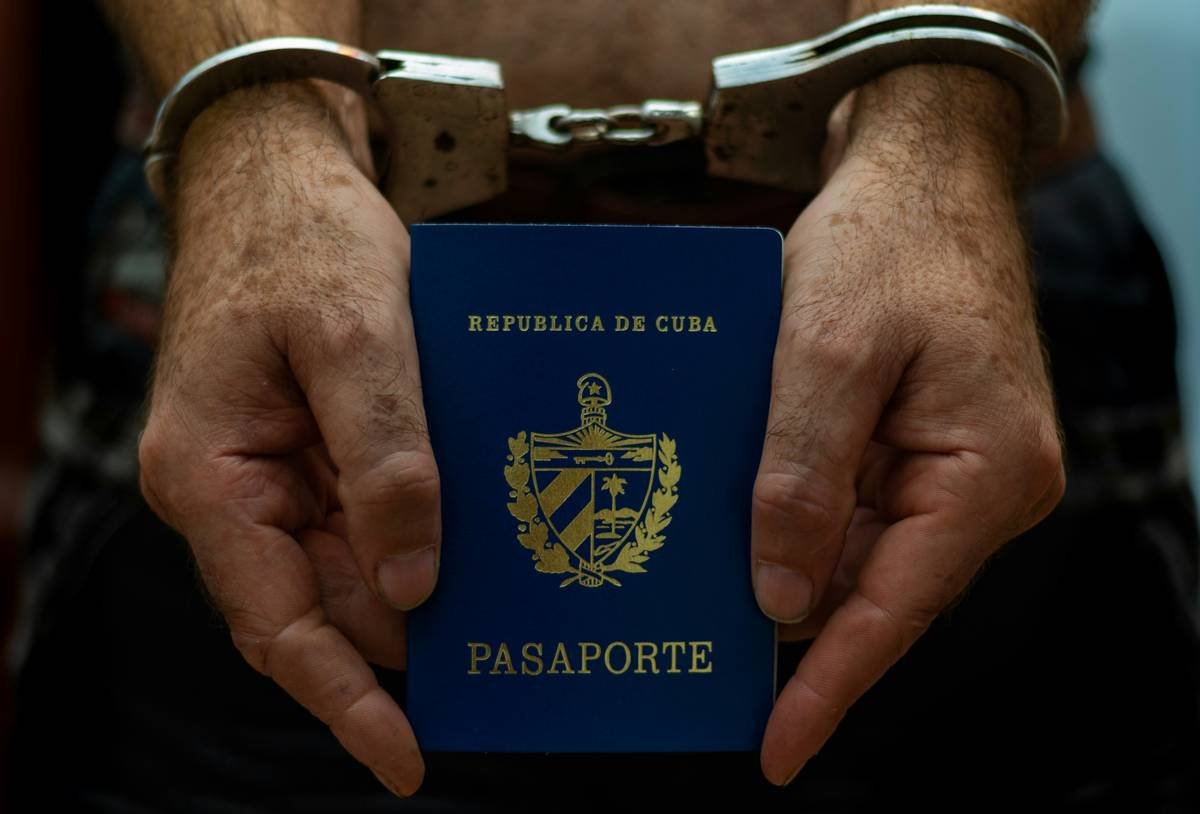
I’ll admit something embarrassing here: I once booked a flight to Mexico City without researching local crime trends. Rookie move. The hotel staff warned me mid-trip about “express kidnappings”—where tourists are abducted briefly for quick cash payouts. Cue panic mode. If only I’d known then that many premium credit cards include basic travel accident insurance or emergency assistance services as part of their perks.
Step-by-Step Guide: Navigating Kidnap & Ransom Insurance
Step 1: Assess Your Risk Level
Not all destinations carry equal risk. Start by reviewing reports from trusted resources like OSAC (Overseas Security Advisory Council) or your government’s foreign affairs department. For example, Venezuela has historically been flagged as a hotspot, whereas Norway rarely raises concerns.
Step 2: Check Your Existing Coverage
Dig into your current insurance portfolio before buying anything new. Some platinum-tier credit cards provide trip cancellation, medical evacuation, and even limited kidnap recovery benefits—but read the fine print carefully. These perks might exclude regions deemed “high-risk.”
Step 3: Explore Dedicated Policies
If gaps exist (spoiler alert: they likely do), consider standalone kidnap and ransom insurance. Providers like AIG Travel Guard specialize in crafting custom plans based on geography, duration, and individual needs. Cost-wise, premiums vary depending on factors such as age, profession, and destination.
Optimist You: *”Easy peasy!”*
Grumpy You: *”Only if you want to sacrifice an arm and a leg… but hey, better than losing both legs.”*
Pro Tips for Combining Credit Cards and Insurance
- Don’t Overlook Secondary Benefits: Many elite credit cards come bundled with secondary coverages like roadside assistance or concierge help. Use them!
- Layer Protections Strategically: Blend primary insurances (like health or auto) with supplemental riders offered via credit card programs.
- Avoid This Terrible Tip: Thinking that having any form of insurance automatically guarantees foolproof protection. It doesn’t. Always clarify exclusions upfront.
Real-Life Examples: When Insurance Saved Lives
Remember the infamous 2018 Oruro bus attack in Bolivia? Several passengers were abducted during a robbery gone wrong. Those with comprehensive kidnap and ransom insurance received swift response teams who negotiated releases within hours—not days. Without proper coverage, outcomes could’ve spiraled far worse.
Rant Break: Let me tell you, nothing grinds my gears more than seeing folks skimp on crucial safeguards because they think, “It won’t happen to me.” Newsflash: bad stuff happens everywhere—even in your backyard.
Frequently Asked Questions (FAQs)
Do I Really Need Kidnap & Ransom Insurance?
If you travel frequently or live/work abroad, absolutely. Even low-risk trips carry inherent uncertainties, making this type of policy worth considering long-term.
Can My Credit Card Replace Traditional Insurance?
Nope. While useful additions, credit card benefits typically lack depth compared to full-fledged insurance plans designed specifically for complex scenarios.
Is This Type of Insurance Expensive?
Premiums range widely, starting around $200 annually for basic individuals up to thousands for corporate groups operating in volatile zones. Shop around and compare quotes thoroughly.
Conclusion
Traveling internationally opens doors to incredible experiences—but also potential hazards. Armed with solid international safety advice, including insights into kidnap and ransom insurance options, you can confidently explore the world knowing you’ve done your homework.
Before we wrap, drop this wisdom wherever it fits: *“Like Pokémon Go, always catch ’em all—except instead of Pokémon, I mean emergencies covered.*” 🧳✈️🌍