Ever booked a dream vacation or business trip, only to realize halfway through that you didn’t research the local risks? Yeah, me too. Now imagine this: You’re sipping coffee at your hotel in an unfamiliar city when you overhear someone talking about their colleague who was targeted by kidnappers. Suddenly, your stomach drops—and not because of the caffeine. That’s why we need to talk about safe travel measures, specifically kidnap and ransom insurance. Spoiler alert: It’s not as niche as it sounds.
In this post, we’ll break down everything from understanding the threat landscape (gulp) to implementing safe travel measures that actually work. Along the way, you’ll learn:
- Why even “low-risk” destinations aren’t always safe
- The role of credit cards and specialized insurance policies
- Actionable steps for staying secure on the road
Table of Contents
- The Real Threats to Travelers Today
- Steps to Take Before You Go
- Best Practices for Safe Travel Measures
- Real-Life Examples of How Kidnap Insurance Saved Lives
- Frequently Asked Questions About Kidnap and Ransom Insurance
Key Takeaways
- Kidnapping incidents happen more often than most travelers think—even in seemingly safe areas.
- Credit cards sometimes offer limited kidnapping coverage, but standalone policies provide better protection.
- Implementing safe travel measures reduces risk and increases peace of mind while traveling.
What Are the Real Threats to Travelers Today?
Let’s start with some sobering stats. According to global security reports, kidnappings-for-ransom have increased by over 20% in the past decade. While these incidents tend to occur more frequently in certain regions (hello, conflict zones), don’t assume you’re immune if you stick to popular tourist spots. I once smirked during a corporate travel briefing where they warned us about taxi scams in Rome—until my colleague ended up paying triple fare because they hadn’t followed basic safety protocols. Ouch.
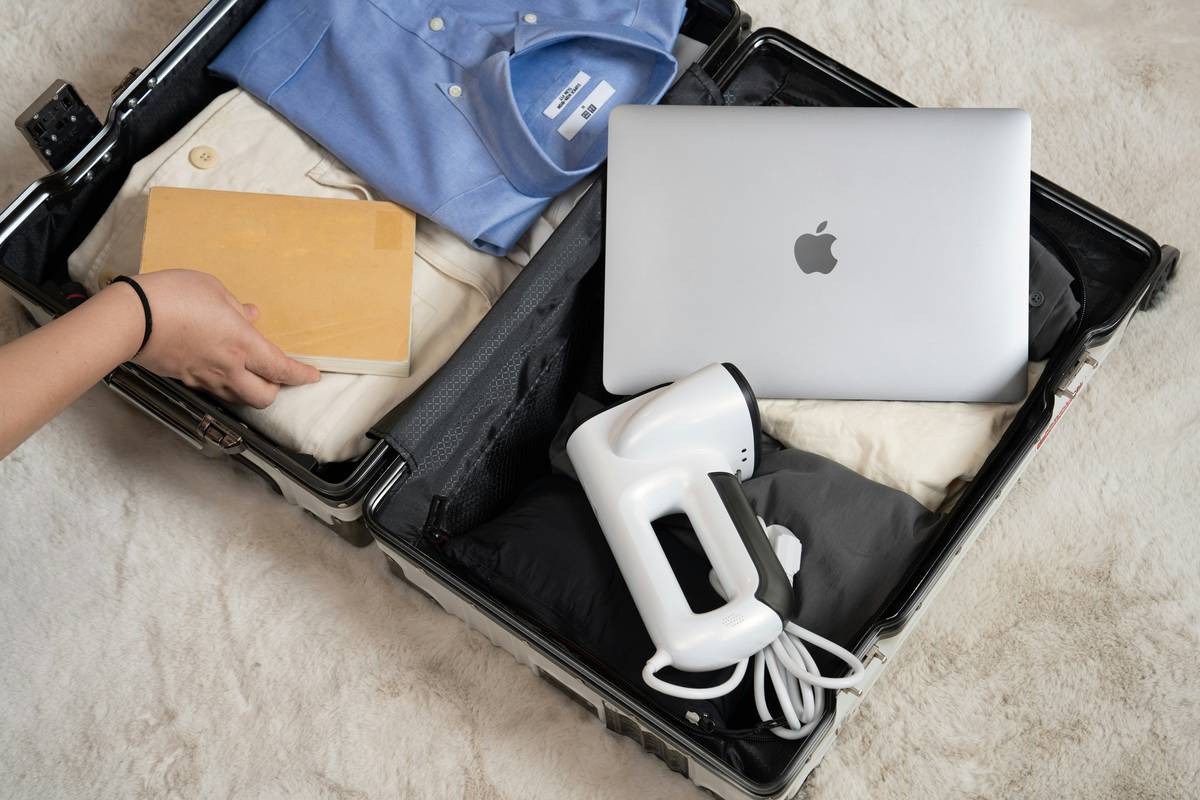
Steps to Take Before You Go
If there’s one thing I regret, it’s not signing up for kidnap and ransom insurance before heading overseas last year. My wallet protested, but hey, hindsight is 20/20. Here’s what you *actually* need to do:
Optimist You:
“Follow these tips!”
Grumpy You:
“Ugh, fine—but only if coffee’s involved.”
- Research High-Risk Areas: Not all countries are created equal when it comes to traveler safety. Check government advisories and news outlets for warnings specific to your destination.
- Evaluate Your Existing Coverage: Some premium credit cards include accidental death and dismemberment benefits, which might cover minor kidnapping expenses. However, standalone K&R insurance offers comprehensive protections like crisis management teams and ransom negotiation services.
- Enroll in STEP Programs: The U.S. Department of State’s Smart Traveler Enrollment Program (STEP) alerts travelers to emergencies abroad and can help locate missing persons. #TravelLifeHack.
Best Practices for Safe Travel Measures
No one wants to feel paranoid while exploring new places. But let’s face it: Being proactive beats panic every time. Below are tried-and-true safe travel measures:
Top 5 Tips for Staying Secure:
- Avoid Publicizing Itineraries: Posting live updates on social media tells potential criminals exactly where you are—and aren’t.
- Share Important Contacts: Leave emergency numbers and copies of your itinerary with trusted friends or family members.
- Dress Modestly and Blend In: Standing out as a tourist makes you an easier target.
- Hire Reputable Drivers: Use official transport apps instead of hailing random taxis off the street.
- Invest in Anti-Theft Gear: A slash-proof backpack won’t stop a kidnapping, but it could deter opportunistic thieves who escalate into bigger threats.
Terrible Tip Alert: DON’T rely solely on your phone’s GPS without downloading offline maps first. Yes, I’ve been there—the battery died mid-jungle trek, leaving me lost for hours until locals helped me out. Lesson learned.
Real-Life Examples of How Kidnap Insurance Saved Lives
Consider Sarah, a freelance journalist who traveled to South America for a magazine assignment. Despite initial hesitation, she decided to purchase kidnap and ransom insurance through her employer. Fast forward two weeks: She found herself detained by armed individuals demanding payment for her release. Thanks to her policy, her insurer activated a crisis response team within hours, negotiating her safe return home.
This isn’t just a fluke story—it happens more often than you’d expect. Companies invest in these safeguards for executives traveling internationally, so why shouldn’t solo adventurers or families prioritize similar protections?
Frequently Asked Questions About Kidnap and Ransom Insurance
Q: Who Needs This Kind of Insurance?
A: Anyone traveling to high-risk regions regularly—or even occasionally—should consider it. Journalists, aid workers, and corporate employees are prime candidates, but tourists and expats are increasingly opting in too.
Q: Isn’t This Just Fearmongering?
A: Nah, bruh. Think of it like wearing sunscreen; you hope you never get burned, but it’s smart to prep anyway. Plus, many plans also cover extortion threats and hostage crises, making them versatile tools for modern-day uncertainty.
Conclusion
Implementing safe travel measures isn’t just about packing extra socks or avoiding sketchy neighborhoods—it’s about equipping yourself with knowledge and resources that truly protect you. Whether that means investing in kidnap and ransom insurance, sticking to well-lit streets, or simply keeping mum about your whereabouts online, small actions add up.
As we wrap this up, here’s a parting thought:
Secure paths await you far,
Prepared hearts seldom stray.
With care, adventure stays unfurled—
Stay safe, dear traveler of the world.