
Ever planned a trip abroad, only to realize halfway through that you’re in over your head? Between navigating foreign customs and dodging unexpected dangers, travel can sometimes feel like walking blindfolded through a minefield. But what if I told you there’s a way to safeguard yourself from one of the scariest scenarios possible—kidnapping? Enter travel risk management, the unsung hero of global adventures.
In this article, we’ll dive deep into the world of kidnap and ransom insurance—a crucial subniche under credit cards and personal finance—and why it’s not just for spies or high-profile executives anymore. You’ll learn:
- The shocking truth about kidnapping risks worldwide.
- How travel risk management works.
- Actionable steps to protect yourself.
- FAQs you didn’t know you needed answers to.
Table of Contents
- Key Takeaways
- Why Travel Risk Management Matters
- How to Manage Travel Risks Effectively
- Tips & Best Practices for Kidnap and Ransom Insurance
- Real-Life Examples of Travel Risk Gone Wrong
- FAQs About Travel Risk Management
Key Takeaways
- Kidnappings are more common than you think, especially in certain regions.
- Kidnap and ransom insurance is an affordable add-on to many travel policies.
- Effective travel risk management involves preparation, awareness, and professional support.
- Ignoring travel risks can lead to costly consequences—financially and emotionally.
Why Travel Risk Management Matters
Let me start with a confession: I once booked a last-minute trip to South America without checking local safety stats (oops). It wasn’t until locals warned me about nearby cartel activity that I realized how unprepared I was. That sinking feeling of vulnerability? Yeah, no thanks.
According to the Global Peace Index, kidnappings have surged by 67% in some conflict-prone areas over the past decade. And don’t assume you’re safe just because you’re a low-profile tourist—criminals often target anyone perceived as wealthy or easy prey.
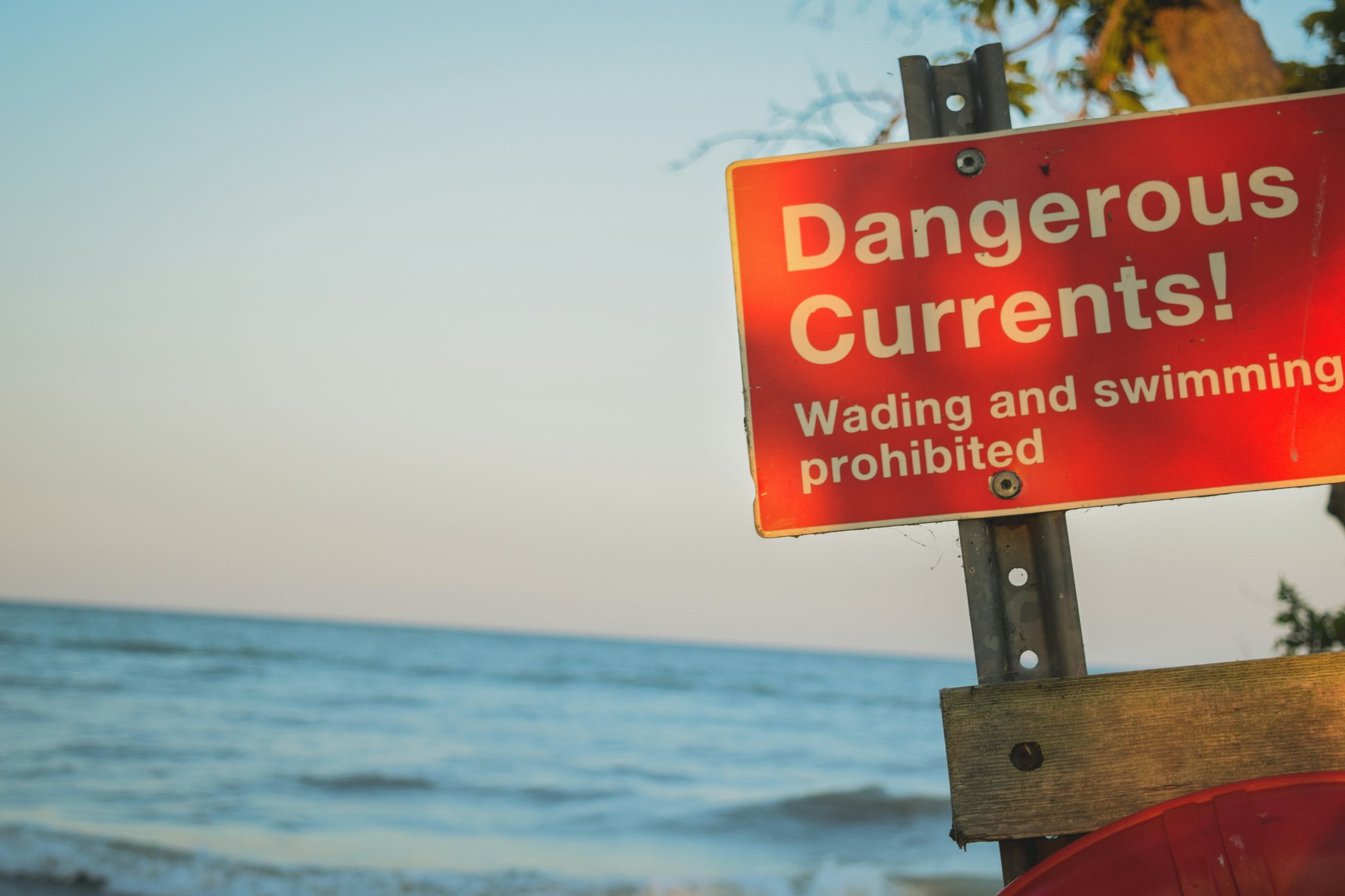
This is where travel risk management comes into play. By preparing ahead of time with tools like kidnap and ransom insurance, you can mitigate these threats and enjoy peace of mind while exploring new destinations.
How to Manage Travel Risks Effectively
“Optimist You:” “Just follow these simple steps!”
“Grumpy Me:” “Sure, but first, pour yourself a strong cup of coffee.”
- Research Your Destination: Know the crime rates, hotspots, and recent incidents.
- Invest in Comprehensive Insurance: Ensure your policy includes kidnap and ransom coverage.
- Hire Local Guides: They know the terrain, language, and potential hazards better than Google Maps ever could.
- Create an Emergency Plan: Share your itinerary with trusted contacts back home.
Tips & Best Practices for Kidnap and Ransom Insurance
If you’re thinking, “This sounds expensive,” let me stop you right there. Most policies cost less than your monthly Spotify subscription. Here’s how to make sure yours is worth every penny:
- Pick Reputable Providers: Look for companies with experience in crisis response.
- Understand Coverage Limits: Some plans cap payouts at $500k; others go up to $10M.
- Avoid Overconfidence: Even seasoned travelers can fall victim to poor judgment.
Purchase Coverage After Arriving Abroad.Terrible Tip Alert! Always buy insurance before departure—you never know when trouble will strike.
Real-Life Examples of Travel Risk Gone Wrong
Picture this: A British couple on vacation in Mexico gets kidnapped off a remote highway. Thankfully, their kidnap and ransom insurance kicked in, financing negotiations and ensuring a safe return. Meanwhile, another traveler ignored warnings about cartel zones—and ended up paying tens of thousands out-of-pocket after being held hostage for weeks.
We hate to sound grim, but stories like these highlight the importance of proactive planning. Don’t be the person who says, “It won’t happen to me.” Spoiler alert: It can.

FAQs About Travel Risk Management
- What exactly does kidnap and ransom insurance cover?
- Besides paying ransoms, it typically covers negotiation fees, medical expenses post-release, and legal costs.
- Do all countries require such insurance?
- No, but some high-risk nations strongly recommend it.
- Can I bundle this with my existing travel insurance?
- Sometimes! Check with your provider for details.
Conclusion
Remember, managing travel risks isn’t about paranoia—it’s about preparedness. With proper research, reliable insurance, and smart decision-making, you can focus on making memories instead of fearing worst-case scenarios.
To recap, here’s what we covered:
- The startling reality of global kidnapping trends.
- Steps to take for effective travel risk management.
- Tips for choosing the best kidnap and ransom policy.
Now go forth and explore—but do so wisely. Safe travels!
Like Pikachu avoiding Team Rocket, your travels should always prioritize safety.
Stay sharp out there.