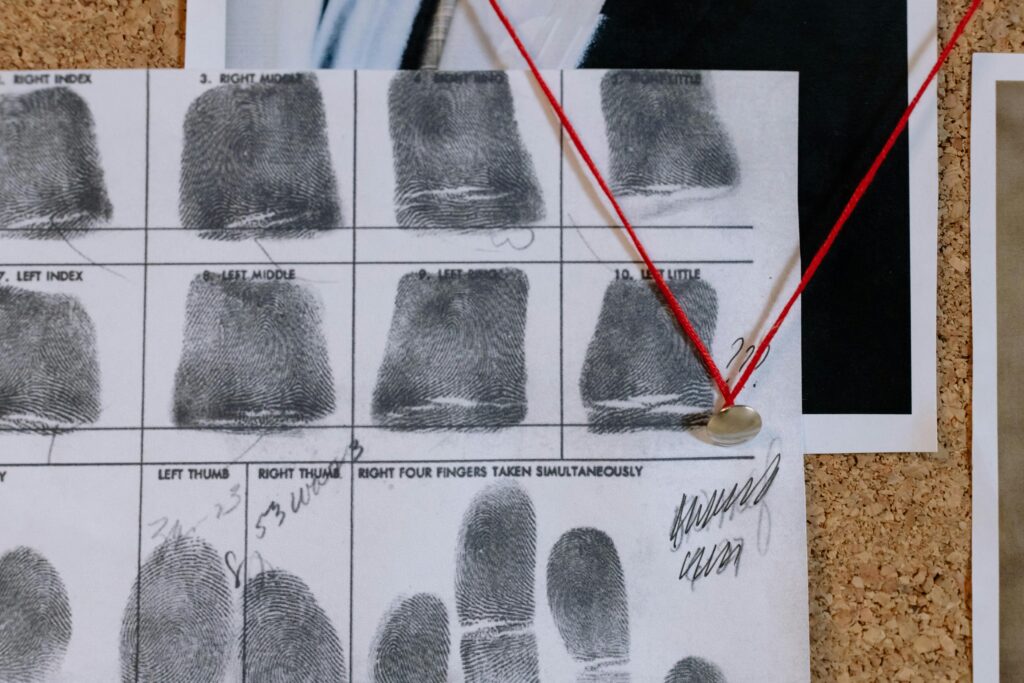
Ever thought about what would happen if you were stranded in a foreign country with no ID, no emergency contacts, and no proof of insurance? Scary, right? Now imagine being in that situation while holding kidnap and ransom insurance—only to realize you left all your travel safety documentation at home. Sounds like the plot of a thriller movie, but it happens more often than you’d think.
In this post, we’ll dive deep into why Travel Safety Documentation is not just some boring admin task—it’s your lifeline when things go south. You’ll learn how to organize it, use it to leverage kidnap and ransom insurance, and avoid rookie mistakes that could cost you big time. Plus, there’s a rant you won’t want to miss (hint: don’t get me started on laminated copies).
Table of Contents
- Key Takeaways
- Why Does Travel Safety Documentation Matter?
- Create Your Ultimate Travel Safety Kit
- Pro Tips for Maximizing Kidnap and Ransom Insurance
- Real-Life Examples: When Good Docs Saved the Day
- FAQs About Travel Safety Documentation
Key Takeaways
- Travel safety documentation includes IDs, emergency contacts, and insurance policies—all critical for emergencies abroad.
- Organizing your docs properly ensures quick access during crises, especially when dealing with kidnap and ransom coverage.
- Digital backups are non-negotiable—paper alone isn’t enough in 2024.
- One terrible tip: Don’t just stick everything in a shoebox under your bed and call it “prepared.”
Why Does Travel Safety Documentation Matter?
Let’s be real: Nobody plans to get kidnapped or held for ransom. But according to global risk reports, kidnappings increased by 15% last year alone. That’s why having kidnap and ransom insurance has become essential for frequent travelers. However, even the best insurance policy is useless without proper documentation.

Here’s where the problem usually starts:
- You forget to bring a copy of your passport.
- Your emergency contact list is outdated (oops).
- You didn’t save digital scans of critical documents like visas and health records.
The result? Hours wasted trying to prove who you are—or worse, finding out your insurer can’t help because you’re missing key info.
Create Your Ultimate Travel Safety Kit
Optimist You: “Let’s make sure I’m covered!”
Grumpy You: “Ugh, fine—but only if coffee’s involved.”
Step 1: Gather Essential Documents
- Passport Copy: Scan both pages and email them to yourself.
- Visa Details: Keep physical and digital versions.
- Insurance Policy: Print out your kidnap and ransom policy summary.
- Emergency Contacts: Update names, numbers, and relationships.
Step 2: Store Everything Digitally
Use apps like Google Drive or Dropbox to store encrypted copies. Bonus points if you share restricted access with a trusted friend or family member back home.
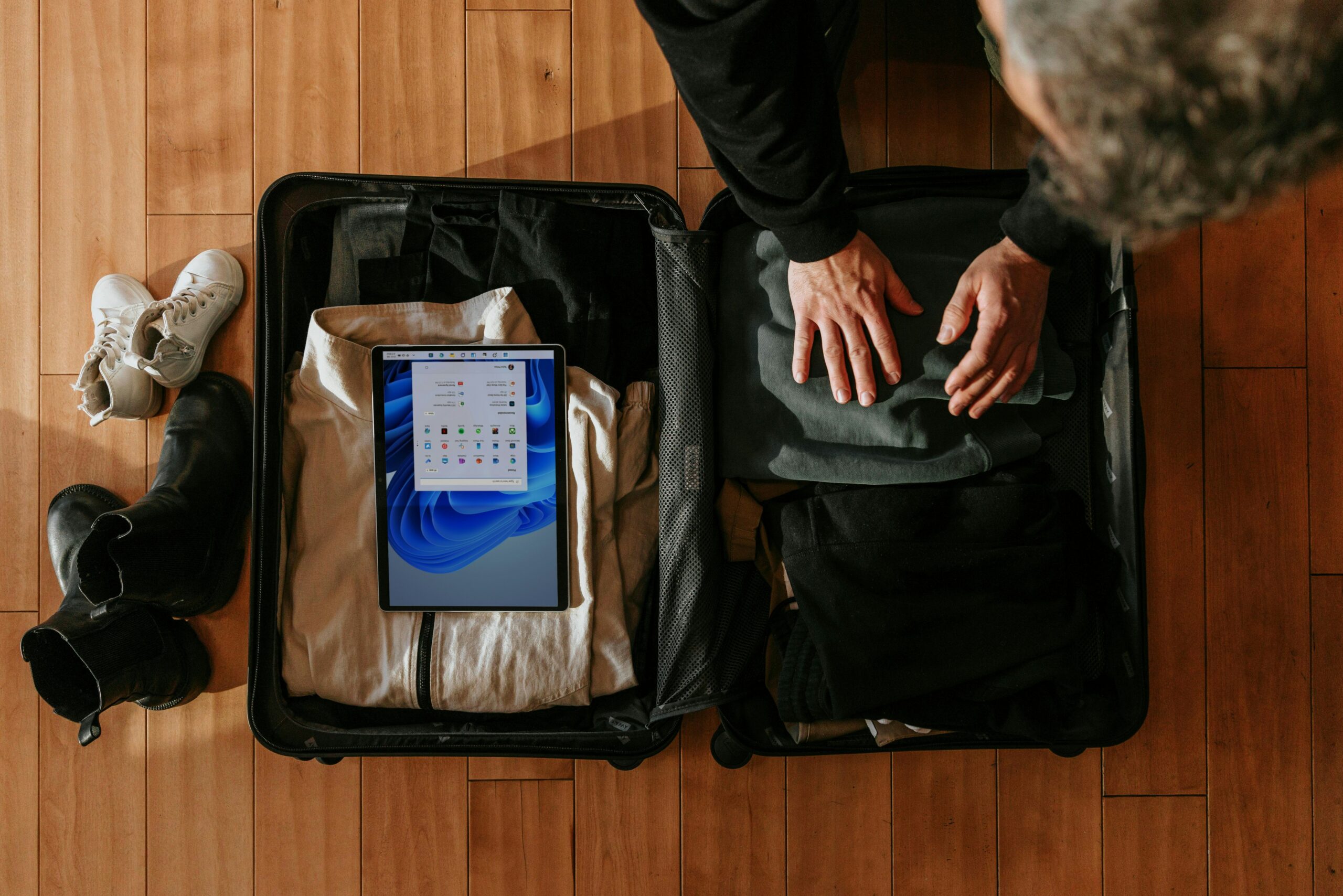
Step 3: Pack Physical Copies Wisely
Put one set in your luggage, another in your carry-on, and leave a third copy at home. And please, skip the lamination—it makes photocopying harder!
Pro Tips for Maximizing Kidnap and Ransom Insurance
- Know What’s Covered: Policies vary widely. Some may cover extortion payments, while others focus on crisis response teams.
- Register With Embassies: Before traveling, register with your embassy so they have your travel details on file.
- Train for Crises: Many insurers offer training sessions on how to stay calm and cooperative during high-stress situations.
- TERRIBLE TIP ALERT: Do NOT assume all insurers will automatically cover every type of incident. Always read the fine print!
Real-Life Examples: When Good Docs Saved the Day
Case Study: Sarah, an NGO worker in South America, was detained due to visa issues. Because she had scanned copies of her documents and shared them with colleagues, her organization quickly resolved the issue within hours instead of days.
Rant Break: Okay, seriously, why do people still rely solely on paper docs in 2024? It’s literally begging for disaster. If your phone dies, at least a cloud backup exists somewhere else!
FAQs About Travel Safety Documentation
Q: Is kidnap and ransom insurance worth it?
Absolutely. Even though most trips go smoothly, the stakes are too high to ignore.
Q: Can I use my phone for storing critical docs?
Yes, but always back them up elsewhere. Phones can break, get lost, or run out of battery.
Q: How often should I update my travel safety kit?
Every trip. Emergency contacts change, passports expire—you get the idea.
Conclusion
At the end of the day, Travel Safety Documentation is less about bureaucracy and more about peace of mind. Whether you’re jetting off for business or pleasure, knowing your bases are covered lets you focus on enjoying the journey. So next time someone asks, “What’s the most underrated part of travel prep?” tell them: “It’s the paperwork!”
P.S. Like a Tamagotchi, your SEO needs daily care. Stay safe out there, friends!