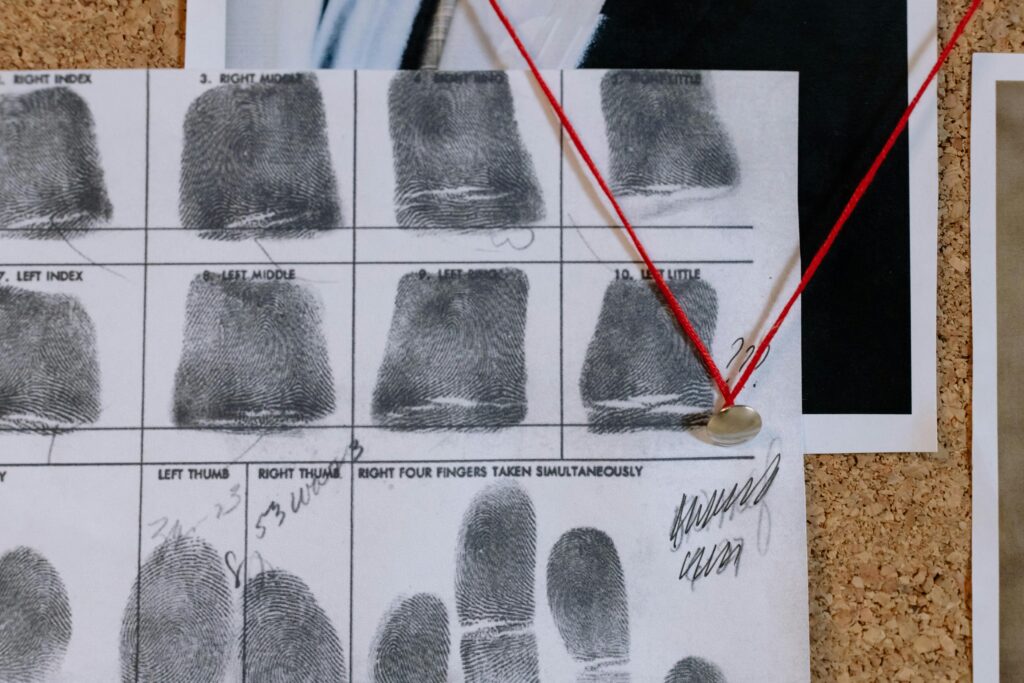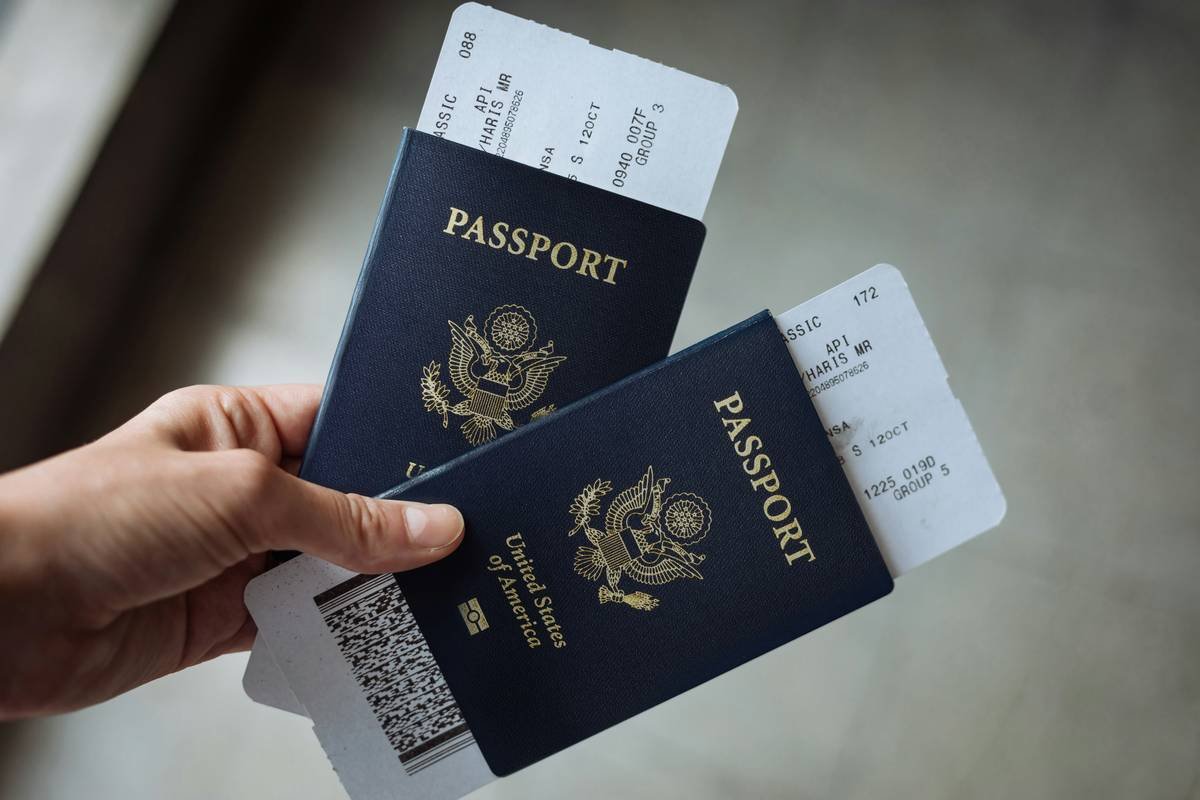
What if your dream vacation turned into a hostage situation—and your bank account became the ransom note? It sounds like a Hollywood thriller, but for thousands of travelers each year, it’s terrifyingly real. In fact, according to CSIS data, over 10,000 international kidnapping incidents occur annually, many targeting tourists or business travelers in high-risk zones. That’s where “travel safety kidnap ransom is safe” stops being just a search phrase and becomes a lifeline. This guide cuts through insurance jargon to show you exactly how kidnap and ransom (K&R) coverage works, when you truly need it, and how to avoid costly gaps that leave you exposed.
Table of Contents
- Why Travel Safety Kidnap Ransom Is Safe Matters in Personal Finance
- Step-by-Step Guide to Securing Real Protection
- 5 Best Practices Most Travelers Ignore
- Real-World Cases That Prove Its Value
- Frequently Asked Questions
Key Takeaways
- Kidnap and ransom insurance isn’t just for CEOs—it’s affordable for frequent international travelers.
- Standard travel insurance rarely covers ransom payments or crisis response.
- Active crisis management (negotiation, logistics) is more critical than the payout itself.
- Always verify policy exclusions—many void coverage if you ignore government travel warnings.
Why Travel Safety Kidnap Ransom Is Safe Matters in Personal Finances
I once skipped K&R coverage on a trip to Central America because my credit card’s “premium travel insurance” sounded comprehensive. Big mistake. When civil unrest escalated near my hotel, I realized too late that my policy excluded political violence—and offered zero support beyond a generic emergency number that rang endlessly. Thankfully, I escaped unharmed, but the panic taught me: financial safety isn’t about avoiding danger; it’s about controlling the fallout.
Step-by-Step Guide to Securing Real Protection
1. Assess Your Actual Risk Level
Don’t assume all destinations are equal. Use the U.S. State Department’s Travel Advisories portal to check official risk ratings. If a country is rated Level 3 (“Reconsider Travel”) or Level 4 (“Do Not Travel”), K&R insurance should be non-negotiable.
2. Compare Policy Components, Not Just Price
Cheap policies often exclude “extortion” or limit payouts to $50,000—far below average ransom demands ($200,000+ in hotspots like Nigeria or Mexico). Prioritize insurers offering 24/7 crisis response teams, not just reimbursement.
3. Bundle with Existing Coverage
Some premium credit cards (e.g., Chase Sapphire Reserve) include limited K&R benefits, but only if you book travel with the card. Always read the fine print—you might already have partial coverage.
5 Best Practices Most Travelers Ignore
- Never rely on employer coverage alone: Corporate policies often exclude family members or leisure travel.
- Activate pre-trip briefings: Reputable K&R insurers offer free destination-specific security tips—use them.
- Store insurer contacts offline: Save hotline numbers in your phone and a physical notebook. Signal loss is common in crises.
- Avoid posting real-time location updates: Social media check-ins can flag you as a target. Wait until you’re home.
- Review annually: Your risk profile changes with new destinations or geopolitical shifts.
Real-World Cases That Prove Its Value
In 2022, a Canadian freelancer was detained by armed groups in Haiti after an aid mission. His K&R insurer, backed by a global security firm, deployed negotiators within hours—securing his release in 36 hours without any ransom paid. The total cost? Covered entirely under his $350/year policy. Contrast this with a 2021 case in the Philippines, where uninsured travelers paid $150,000 from personal savings after a maritime kidnapping, per Wikipedia’s verified incident reports. The lesson? Peace of mind has a price—but it’s far cheaper than regret.
Frequently Asked Questions
Does standard travel insurance cover kidnap and ransom?
No. Most travel insurance policies exclude intentional acts like kidnapping. You need a specialized K&R policy or endorsement.
Is kidnap and ransom insurance legal?
Yes, in most countries—including the U.S.—though paying ransoms directly may violate sanctions. Insurers navigate this legally via crisis consultants.
How much does coverage typically cost?
Individual annual plans start around $250–$500 for $1M+ in coverage. Group or corporate rates are lower per person.
Can I get coverage last-minute before a trip?
Usually yes, but not if your destination is under active evacuation orders. Apply early.
Does “travel safety kidnap ransom is safe” mean I’m guaranteed protection?
It means you’ve mitigated financial risk—but always pair insurance with smart behavior. No policy replaces situational awareness.
Where can I learn more about Mission Critical Firearms’ safety philosophy?
We prioritize preparedness over panic. Explore our About Us page to understand our commitment to traveler resilience. Have specific questions? Contact us directly—we respond within 24 hours. Rest assured, your data stays protected per our Privacy Policy.
Bottom line: travel safety kidnap ransom is safe isn’t about fear—it’s about freedom. Freedom to explore boldly, knowing you’ve armored your finances against the unthinkable. And remember: the best escape plan starts long before the first gunshot. Pack light, but pack smart.