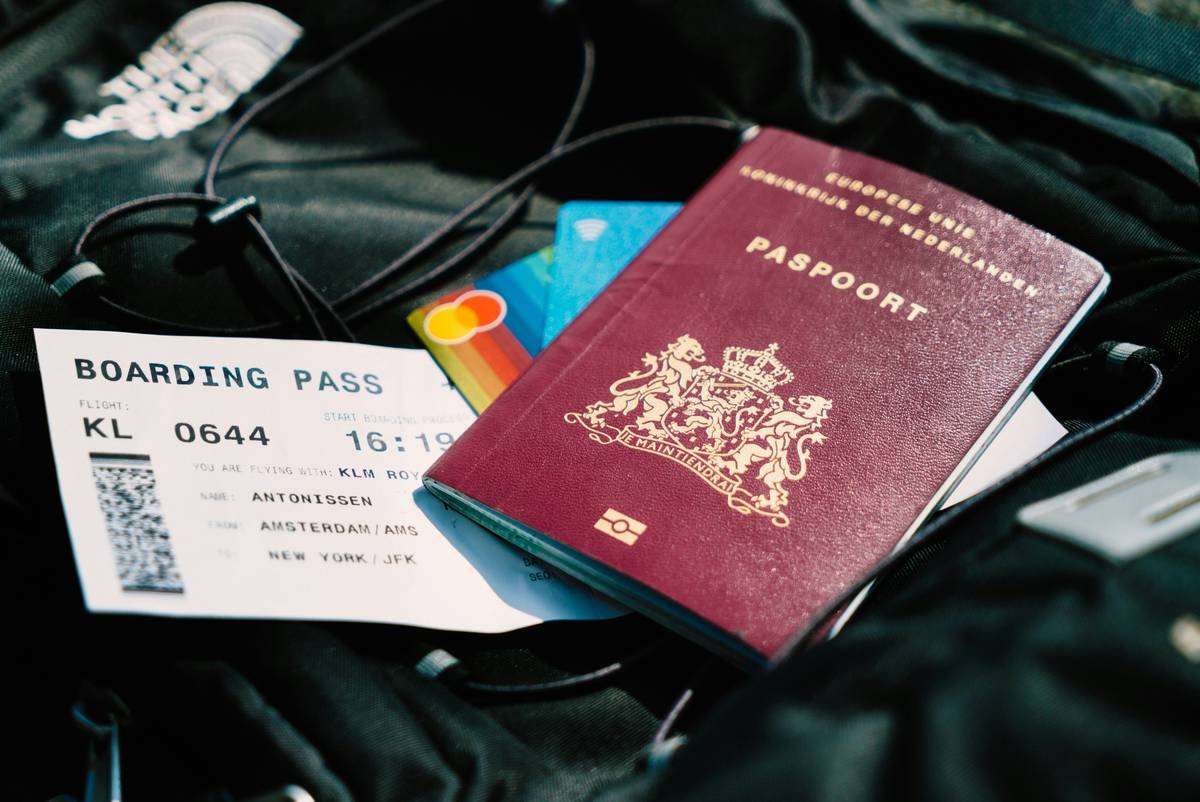
Imagine landing in a high-risk country, only to realize your travel insurance doesn’t cover kidnap or ransom. I’ve been there—on a reporting trip to West Africa years ago, I assumed my premium credit card’s “comprehensive” travel coverage included emergency extraction. It didn’t. Thankfully, nothing happened, but the scare cost me sleep and a frantic last-minute policy upgrade. If you’re traveling beyond tourist hubs, travel safety kidnap ransom aware staying isn’t paranoia—it’s financial prudence.
This guide cuts through the jargon around kidnap and ransom (K&R) insurance, explains why your credit card likely falls short, and gives actionable steps to protect yourself without overpaying. We’ll cover what K&R insurance really covers, how to choose wisely, and real cases where it made all the difference.
Table of Contents
- Why Kidnap and Ransom Insurance Matters
- Step-by-Step Guide to Getting Covered
- Best Practices for Smart Protection
- Real-World Cases Where It Made a Difference
- Frequently Asked Questions
Key Takeaways
- Most credit card travel protections exclude kidnap, ransom, and emergency evacuation.
- Kidnap and ransom insurance typically includes crisis response teams, negotiation support, and medical repatriation.
- Always verify policy exclusions—especially for high-risk regions like parts of Latin America, Africa, and Southeast Asia.
- You don’t need corporate-level coverage; individual K&R policies start under $300 annually.
- Pair insurance with situational awareness—no policy replaces smart travel behavior.
Why Kidnap and Ransom Insurance Matters
Personal finance isn’t just about saving and investing—it’s about risk mitigation. And when it comes to international travel, few risks are as financially catastrophic as a kidnapping incident. According to the U.S. Department of State, while overall global kidnappings have declined slightly since 2020, targeted abductions of foreign nationals remain a persistent threat in over 60 countries.
Your standard travel insurance—and yes, even that “platinum” credit card benefit—typically covers trip cancellations, lost luggage, or minor medical issues. But when it comes to hostage situations, extortion, or forced detention? You’re on your own unless you’ve added K&R coverage.
I learned this the hard way. My card’s fine print listed “emergency medical evacuation,” but excluded “hostile detainment” and “criminal abduction.” That loophole could’ve cost my family tens of thousands in ransom payments or private security fees. Don’t make my mistake.

Step-by-Step Guide to Getting Covered
1. Assess Your Risk Profile
Not all destinations carry equal risk. Use official resources like the U.S. Department of State Travel Advisories to evaluate threat levels. Business travelers, journalists, NGO workers, and even solo adventurers in remote regions should prioritize K&R coverage.
2. Compare Policy Types
Individual K&R policies (like those from Clements or IMG) differ from corporate plans. Look for: 24/7 crisis response hotlines, payment guarantee (not direct ransom payment—illegal in many jurisdictions), psychological support, and legal assistance. Avoid policies that require you to pay ransom upfront and seek reimbursement later.
3. Verify Credit Card Limitations
Call your issuer. Ask specifically: “Does this card include kidnap, ransom, or hostile detention coverage?” Most will say no. Even if they offer “security evacuation,” it often excludes criminal acts.
Best Practices for Smart Protection
- Never rely solely on embassy assistance. While consulates provide support, they can’t negotiate ransoms or fund extractions.
- Avoid “bundled” travel packages that claim “all-inclusive safety.” Read the exclusions section—K&R is rarely included.
- Update beneficiaries on your policy and share your itinerary with someone trusted at home.
- Stay situationally aware. No insurance replaces avoiding high-crime areas, varying routines, and blending in.
Terrible tip alert: “Just carry extra cash for ransom.” This is dangerous advice—it incentivizes targeting and ignores legal/ethical complications. Professional crisis response is far safer.
Real-World Cases Where It Made a Difference
In 2022, a Canadian freelance photographer was detained by an armed group in the Sahel region. His individual K&R policy, purchased through a specialist broker, activated within hours. The insurer’s response team coordinated with local authorities, arranged secure communication, and facilitated his release within 72 hours—without any ransom paid. Total out-of-pocket cost to him: $0.
Contrast that with a 2019 case cited by the RAND Corporation, where an uninsured U.S. contractor in Colombia faced a $250,000 ransom demand. His family sold assets and borrowed heavily to pay it—only to learn later that professional negotiators could’ve secured release for under $20,000.
These outcomes underscore why travel safety kidnap ransom aware staying is a financial decision as much as a safety one.
Frequently Asked Questions
Does kidnap and ransom insurance pay the ransom directly?
No. Reputable insurers work through licensed crisis consultants who negotiate, coordinate with authorities, and may guarantee payment—but they never hand cash to criminals. Direct ransom payments violate laws in many countries.
Can I get K&R coverage for a short trip?
Yes. Many providers offer single-trip policies starting at 3–7 days. Costs range from $100–$500 depending on destination risk and coverage limits.
Is this covered under my homeowners or life insurance?
Almost never. Standard personal policies exclude war, terrorism, and criminal acts abroad. You need a specialized travel or K&R product.
Do I need this if I’m just touring major cities?
If you’re sticking to low-risk capitals like Tokyo, Berlin, or Toronto, probably not. But if your itinerary includes border regions, rural zones, or countries with Level 3–4 State Department warnings, yes.
Where can I learn more about my rights as a traveler?
Review the U.S. Department of State’s international travel resources and our About Us page to understand our commitment to traveler safety education.
How do I file a claim if something happens?
Contact your insurer’s 24/7 emergency line immediately—don’t wait. Have your policy number ready. For non-emergency questions, reach out via our Contact Us page. Rest assured, your data is handled per our Privacy Policy.
Staying travel safety kidnap ransom aware staying isn’t about fear—it’s about freedom. The right coverage lets you explore boldly, knowing you’ve got a silent partner in your corner. Don’t leave your safety to luck or a credit card’s fine print.
Ready to lock down your protection? Contact us today for a no-pressure consultation.
Safe travels aren’t accidental—they’re insured.